More people are talking about mental health than ever, but the stats around men’s mental health are still concerning, especially in Newcastle upon Tyne and the North East.
The challenge for teachers, parents, and care workers isn’t only recognising the signs of distress; it takes a certain type of mental health support to engage young men. As demand rises, so too does the need for accessible and genuinely useful mental health support for young men.
Why young men need our help
One in five young people (aged 8 to 25) experienced a probable mental health condition in 2023, according to NHS data. And for people in the 17-19 age group, that number is only rising. In the North East of England, rates of common mental health conditions like anxiety, depression, and OCD are higher than the national average.
There are many reasons why young men may feel isolated, disengaged, or misunderstood. These feelings then manifest as withdrawal, aggression, or poor attendance — and are misinterpreted as challenging behavioural problems, and not the indicators of deeper emotional struggles we know them to be.
Barriers to mental health support
Young men are less likely to seek help than their female friends. Stigma plays a big role; expectations around ‘being a man’ discourage emotional openness, making traditional talk-based therapies less appealing. At The Mental Shift, we’ve seen time and time again how young men who’ve previously been closed off in conversations or clinical settings really open up once they feel at ease.
Our mental health support for young men and why it works
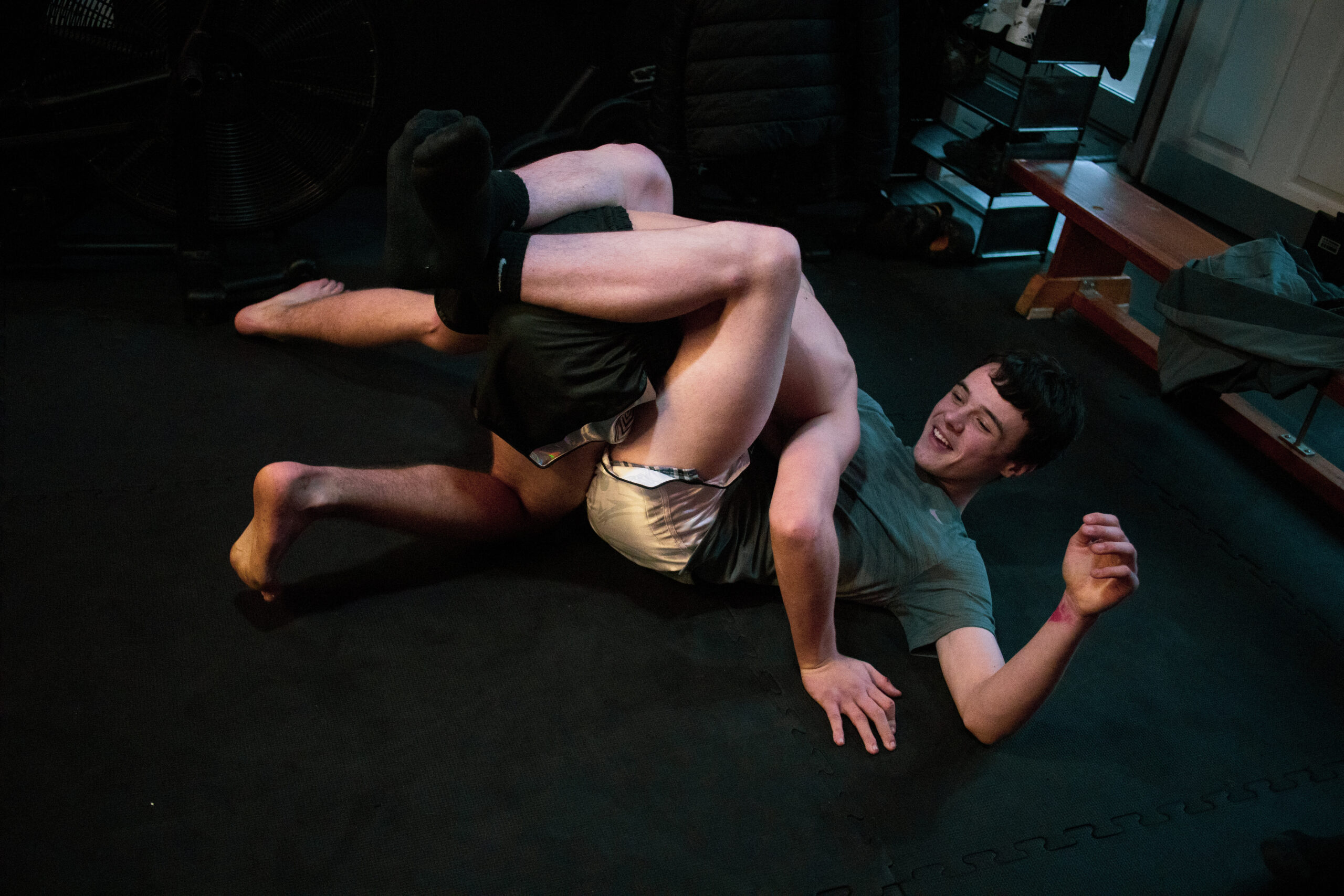
Research has shown the potential of martial arts and its “biopsychosocial benefits”. In simple terms, martial arts offer a holistic approach that blends biological (i.e. fitness), psychological (i.e. mental health), and social (i.e. community) benefits to support young men’s mental health.
That’s where CICs like The Mental Shift (TMS) come in. We believe that physical activity and exercise can offer immense benefits to young men. Martial arts and Muay Thai build young people’s confidence, give them a way to express their emotions, and improve their mental wellbeing in a safe and supportive environment.
Read more about the benefits of martial arts on mental health (& our goals for 2026 at TMS).
One parent told us, “I think these sessions have improved Ted’s concentration and confidence, and his strength in his actual kickboxing has improved over the last few months. Watching both Billy and Teddie interact with each other during those sessions is lovely to see, as Ted doesn’t have any other male role model in his life aside from his Dad.”
Overall, we’ve helped 17% of the young men we work with to reengage with education. And 83% have had no further reports of anti-social behaviour.
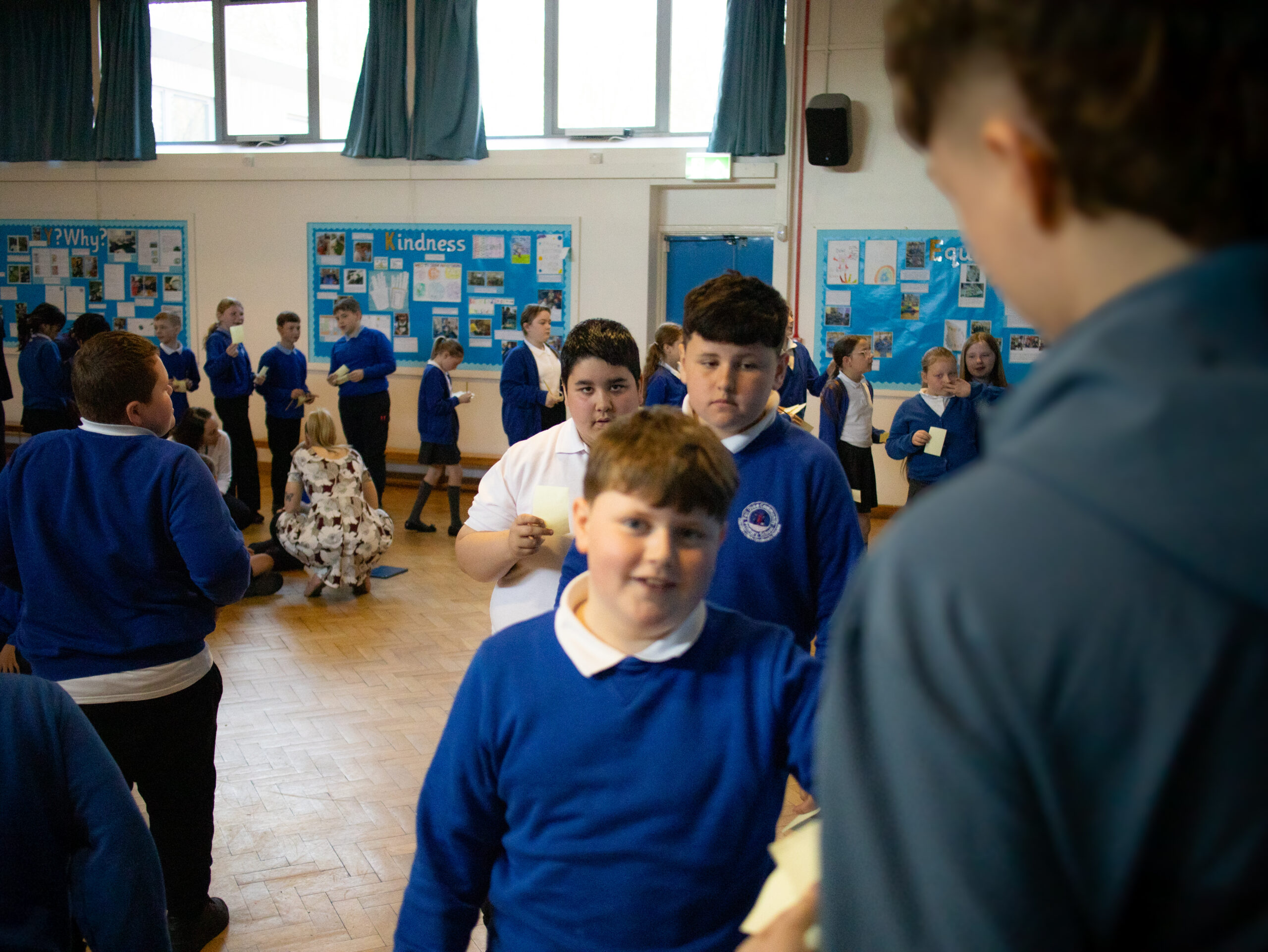
For teachers, parents, and care workers in Newcastle, TMS offers a valuable referral pathway; something that can really work where other forms of mental health support have failed.
Make a referral today and subscribe to our newsletter for up-to-date information on martial arts classes and other mental health support for young men in Newcastle and the North East: https://thementalshift.org/